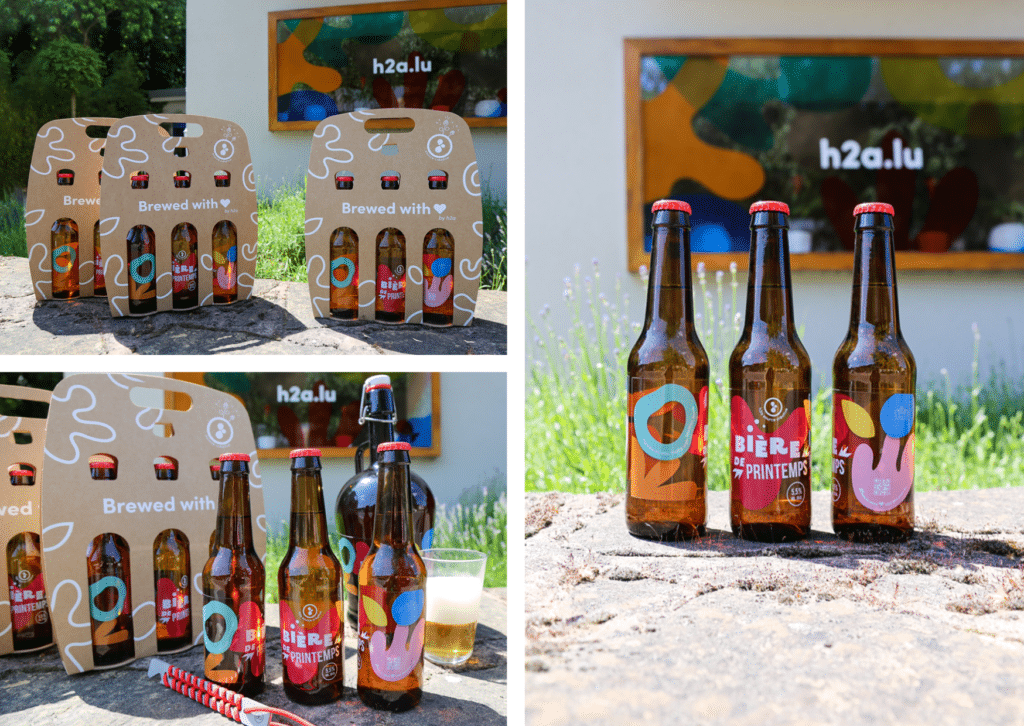
At h2a, we are passionate about two things: raclette and beer. So for a long time we had wanted to personalize, brew and taste our own beer. And it is done! (Yes, yes, we created an h2a beer!)
Here is a recap of this day rich in hops and malt, in short a very “hops”-itable day!
The largest brewery in Luxembourg?
The history of the site
After Empress Maria Theresa of Austria had closed all establishments dedicated to baths, the first breweries opened in rue Plaetis in the Grund district of Luxembourg, in 1974.
The “house”, which was in fact just one room where a first brewing activity had been carried on since 1670, became around 1764 the Funck-Bricher brewery. It merged with the Bofferding breweries to become the national brewery, and in 1974 chose to bring all its production tools together on the Bascharage site.
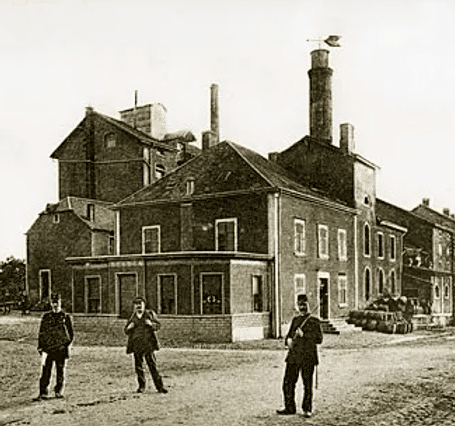
The Brasserie Nationale acquired Hippert Boissons in 1992. Along the same lines, it acquired Munhowen Distribution in 1999.
In 2004, the Brasserie Nationale acquired the Battin brewery, which then joined the Bascharage site.
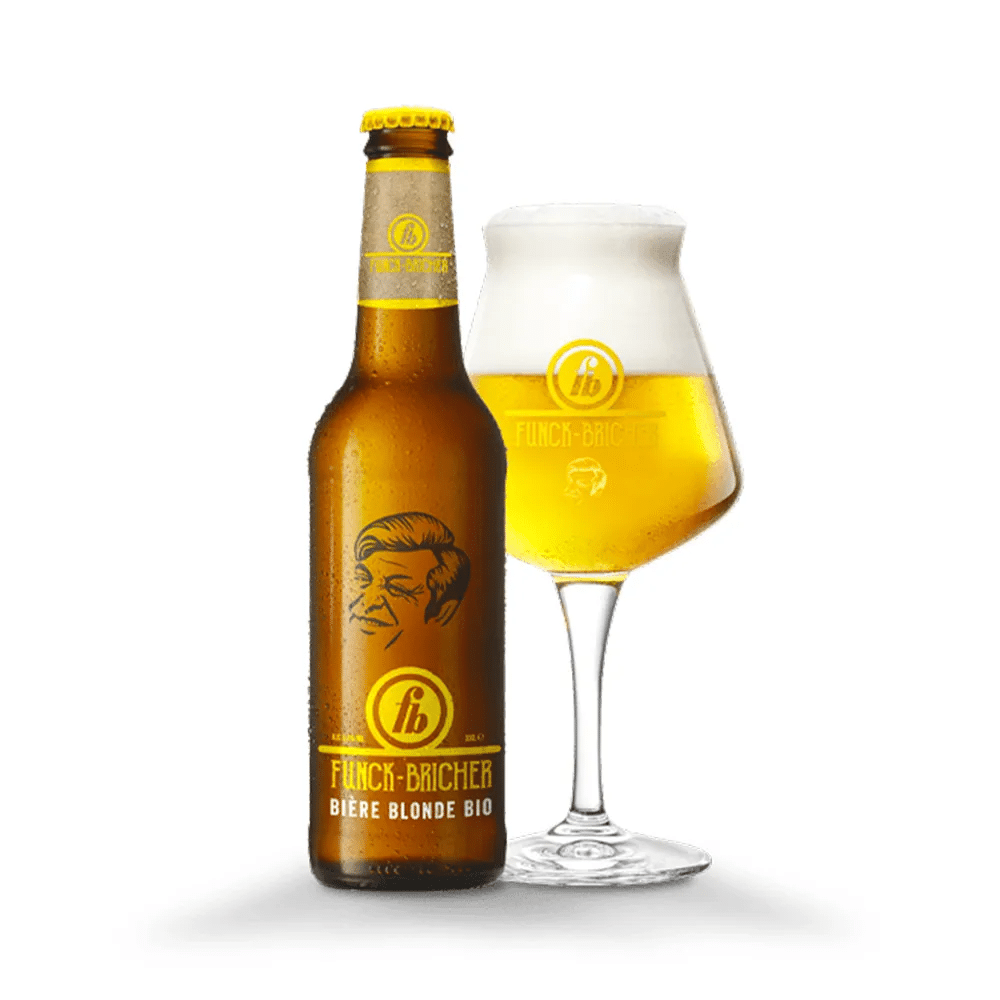
In 2018, the Funck-Bricher brand was reborn from its ashes and relaunched with a new beer brewed at the Brasserie Nationale from organic malt and hops.
In 2020, the Lodyss brand emerged following the brewery’s many efforts to modernize its machines and building in order to increase production on a larger scale. The Luxembourgish mineral water, drawn from 300 metres down for more than 30,000 years, gives it a unique mineral composition, both for the brewery and for bottling.
Their know-how
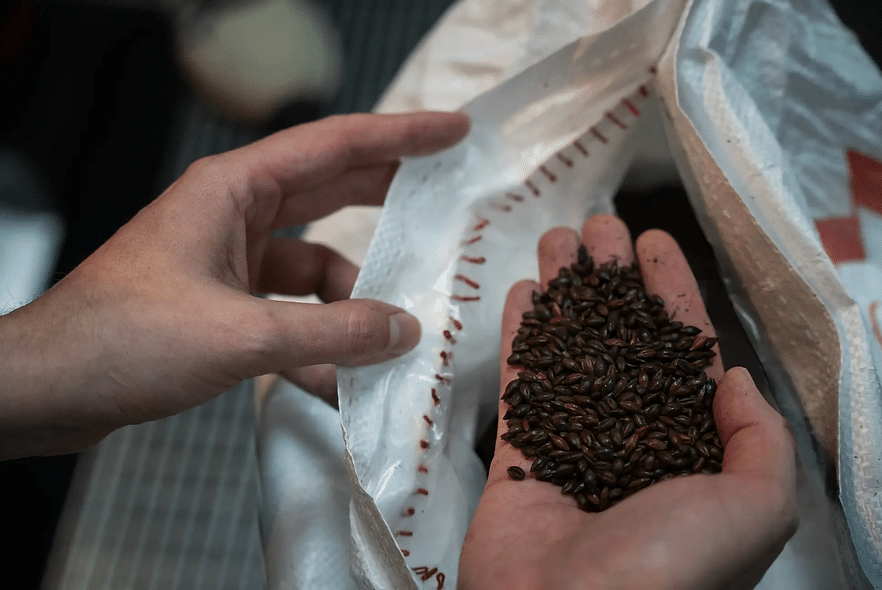
The Brasserie Nationale uses the traditional brewing method of slow brewing, which involves a storage and maturation period of 5 to 8 weeks for its beers, which are not pasteurized. This method involves a primary fermentation phase of eight days followed by a maturation phase of 27 days, with variations depending on the type of beer, to ensure the purity and quality of the beer. After maturation, the beer is kept cold before being sent to be bottled at the plant.
They also rely on the German Purity Law (Reinheitsgebot) in their brewing process. It sets out the three basic ingredients needed to make beer: water, malt (barley) and hops. Later, yeast was discovered and added to this list.
To guarantee the quality and flavour of their beers, the Brasserie Nationale only selects certified raw materials from the Greater Region and Bavaria.
Our experience
Creating our spring beer
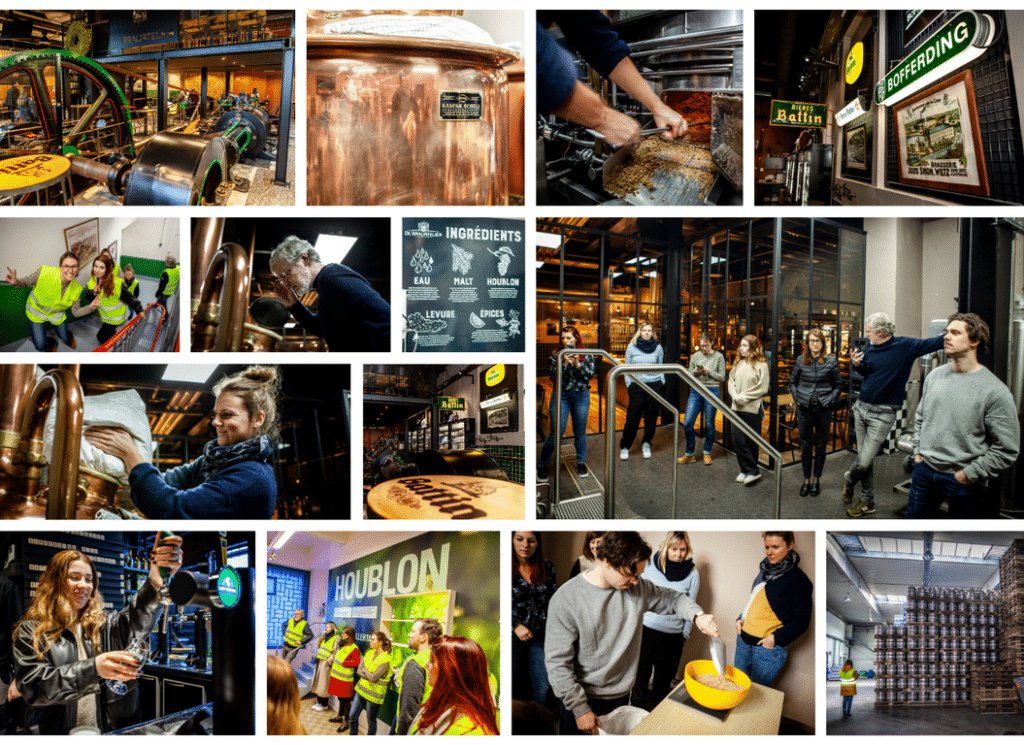
Led by Eric, a brewer with more than 20 years’ experience, we began the brewing process by malting the barley, which is soaked in water to start germination. The malt was dried and roasted to give it a specific colour and flavour. It was then crushed and mixed with hot water to create a porridge called “wort”.
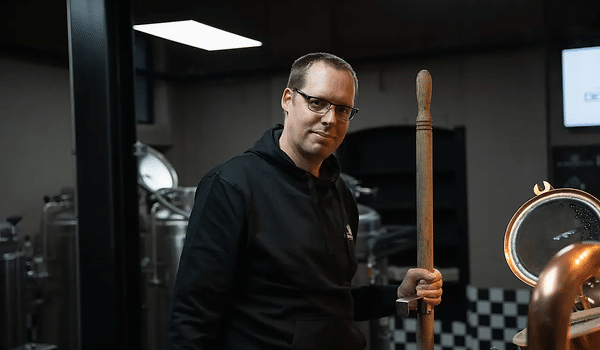
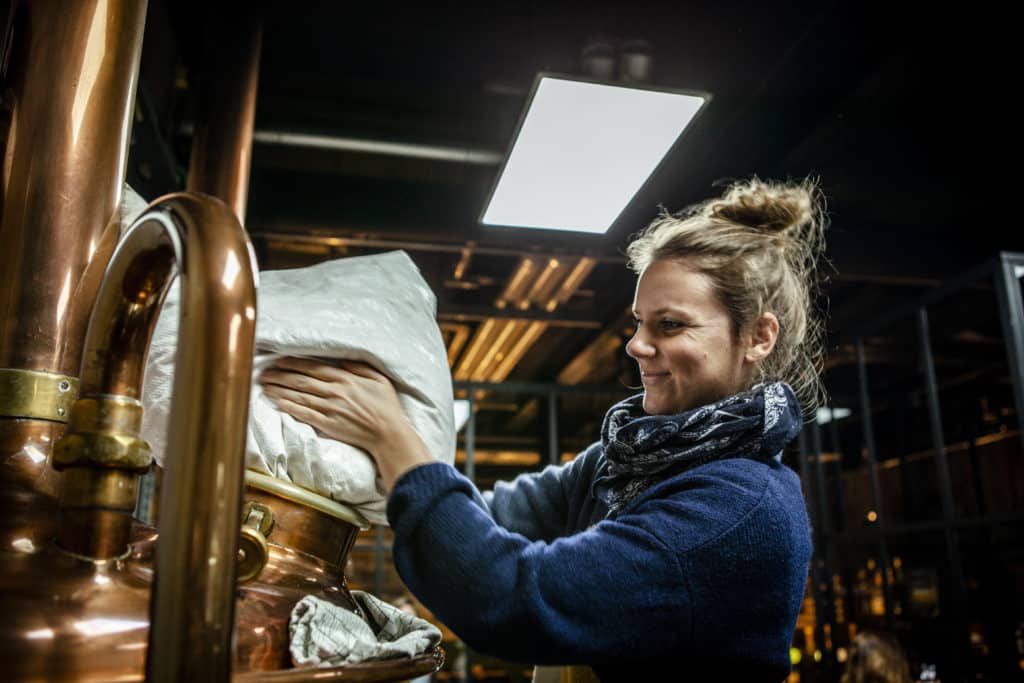
After boiling the wort, we added local hops to give our spring beer bitterness, aromas and a floral flavour. After cooking, we let the wort cool, then transferred it to fermentation tanks where special yeasts are added for fermentation.
Visit of the site
After creating our spring beer, we were given a guided tour of the site by Eric (a second Eric), a passionate guide who shared with us the history and brewing methods of the brewery.
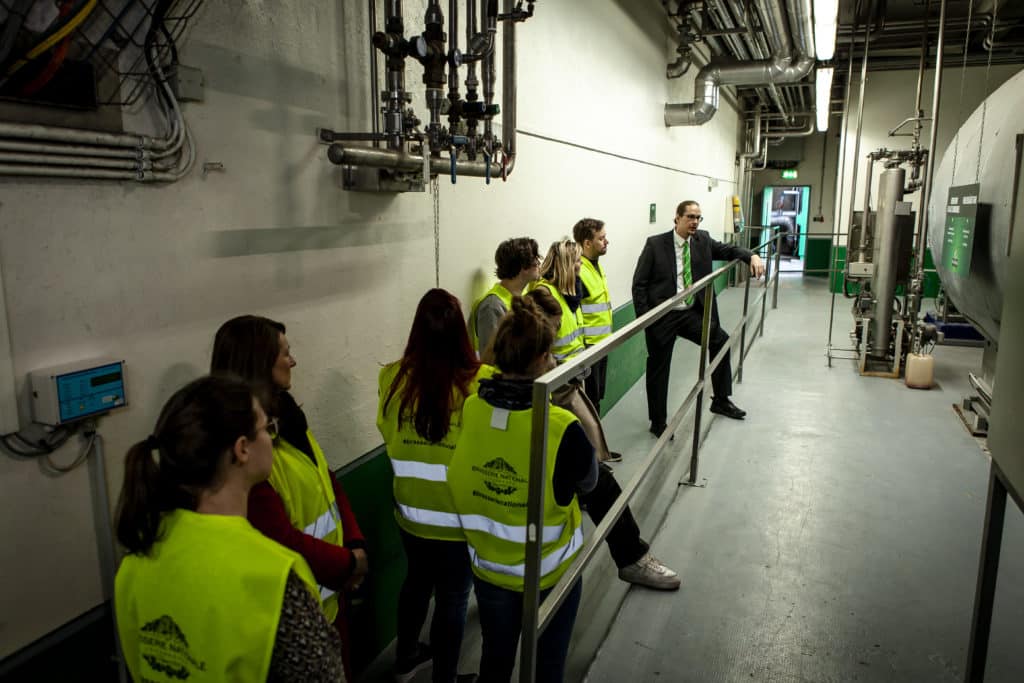
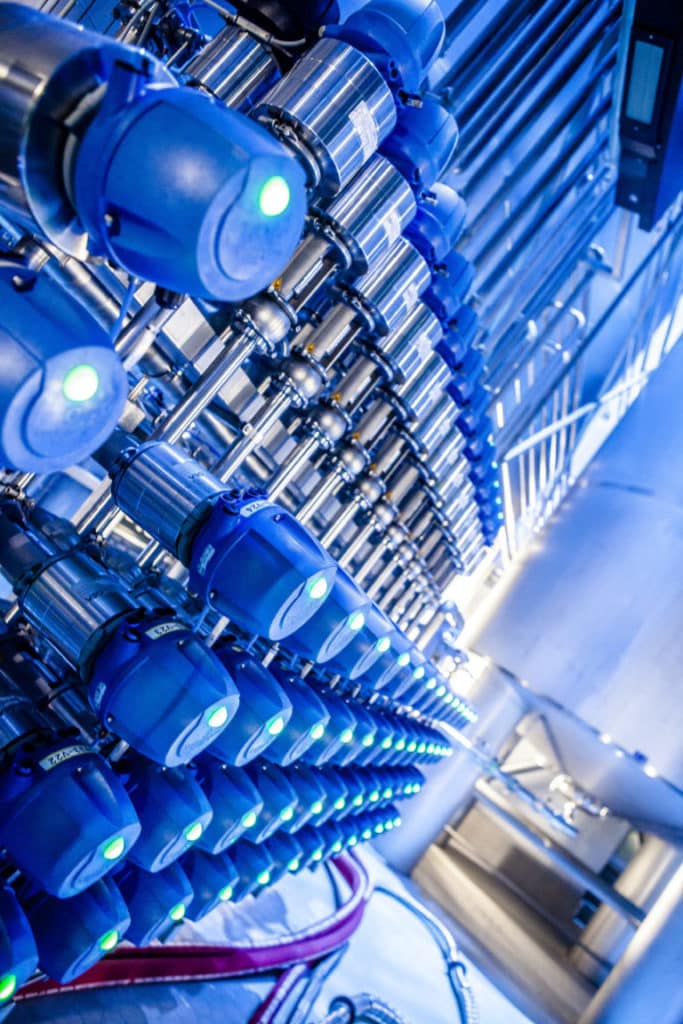
During this visit, we were able to discover and taste Lodyss water at its source, a unique and refreshing experience. We were introduced to the tradition of Béierschnaps, a distilled beer with a unique flavour that was new to most of us.
We were then presented with Gezwéckelten, an unfiltered finished beer, which was the high point of the visit. Its rich, complex flavour was unforgettable and gave us an insight into the brewery’s traditional brewing process.
The meal
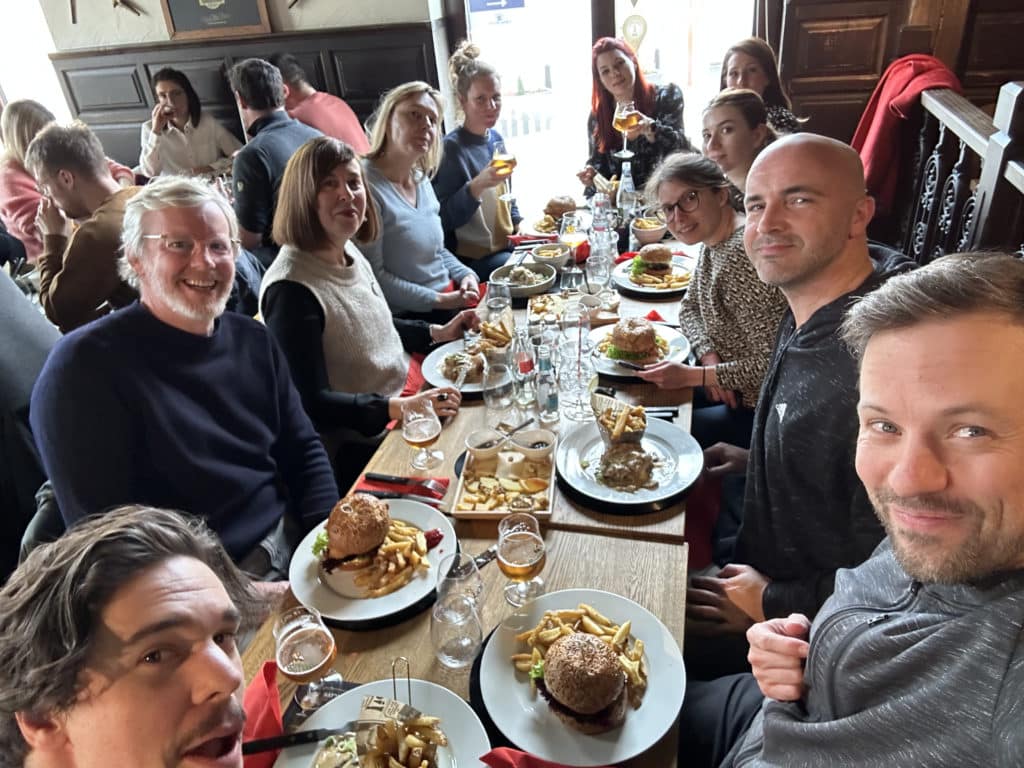
On the brewery’s recommendation, we had lunch at their partner, the D’BrauStuff brewery. We were pleasantly surprised to discover a range of typical Luxembourgish dishes, such as the bouchée à la reine and the codron bleu, all cooked with care and generosity. The setting, with its stone walls and wooden beams, added a rustic and authentic touch to the culinary experience. Overall, it was a memorable and enriching meal.
Beer tasting
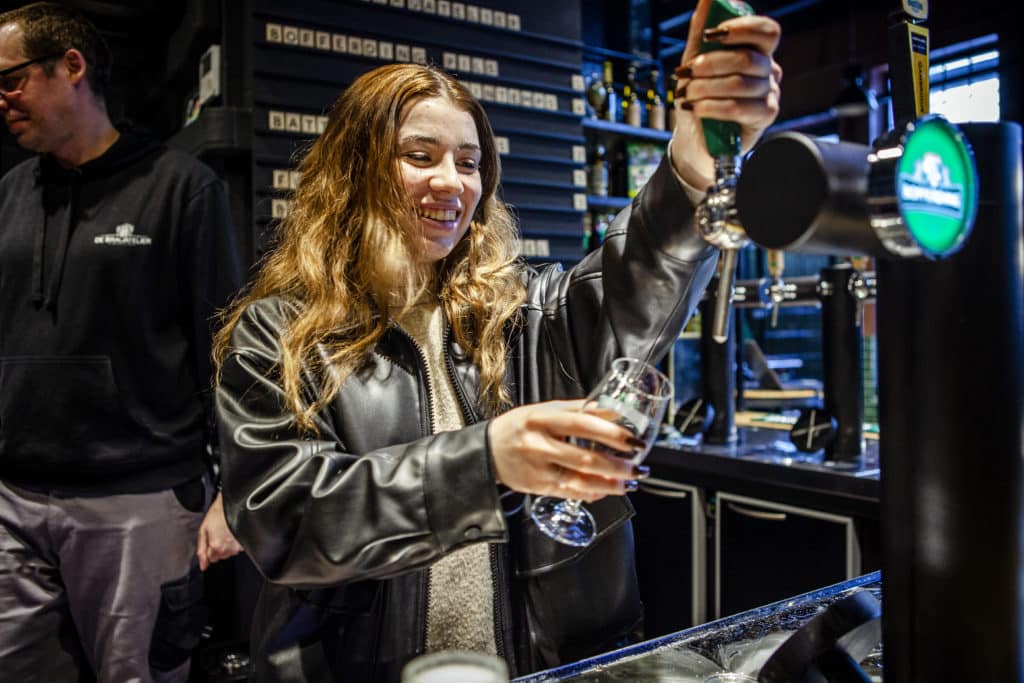
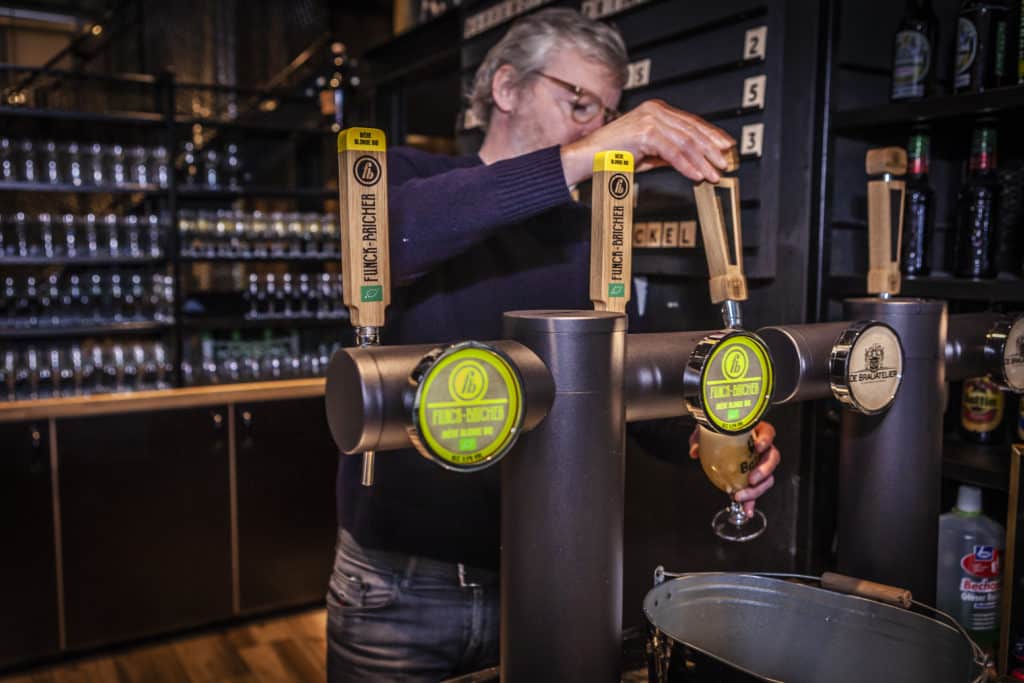
After a theoretical session on beer flow, the use and maintenance of the equipment, we learned how to prepare a glass, pull a beer and serve it. But serve it to whom? To us! Surely the most enjoyable part for many of us (although everything we had done so far had been very enjoyable too): on to tasting. We were able to taste five beers from the Brasserie Nationale, including the beer of the moment.
It was a lovely way to end our day at the brewery and to discover the different flavours and nuances of its beers.
Our visit to the Brasserie Nationale was an enriching experience, and we would like to thank Eric (x2) for their kindness. We warmly recommend this place to everyone.
As promised, here are our spring beers!
After a wait of two long months, our long-awaited spring beers have finally reached our taste buds. And the verdict is unequivocal: they are simply delicious! A perfect harmony between subtle aromas, floral notes and the fruity nuances that characterize our seasonal beers. This tasting experience is refreshing and invigorating, perfect for sunny days.
From design to production, we put all our heart and passion into creating the packaging. It was carefully thought out by our Print team, reflecting our wish to offer a complete and authentic experience. We designed the artwork and labels with care, and stuck them on each bottle by hand.