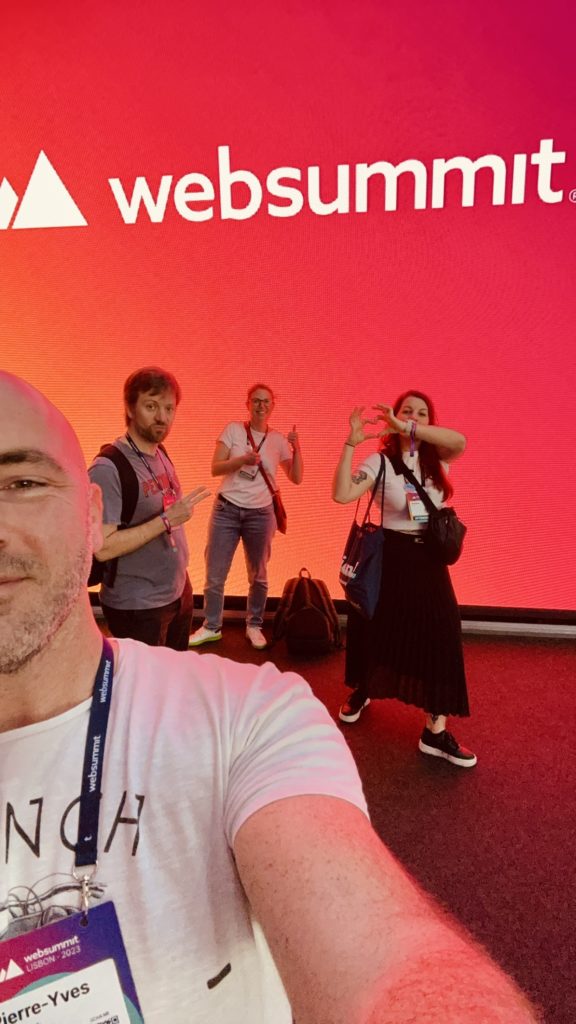
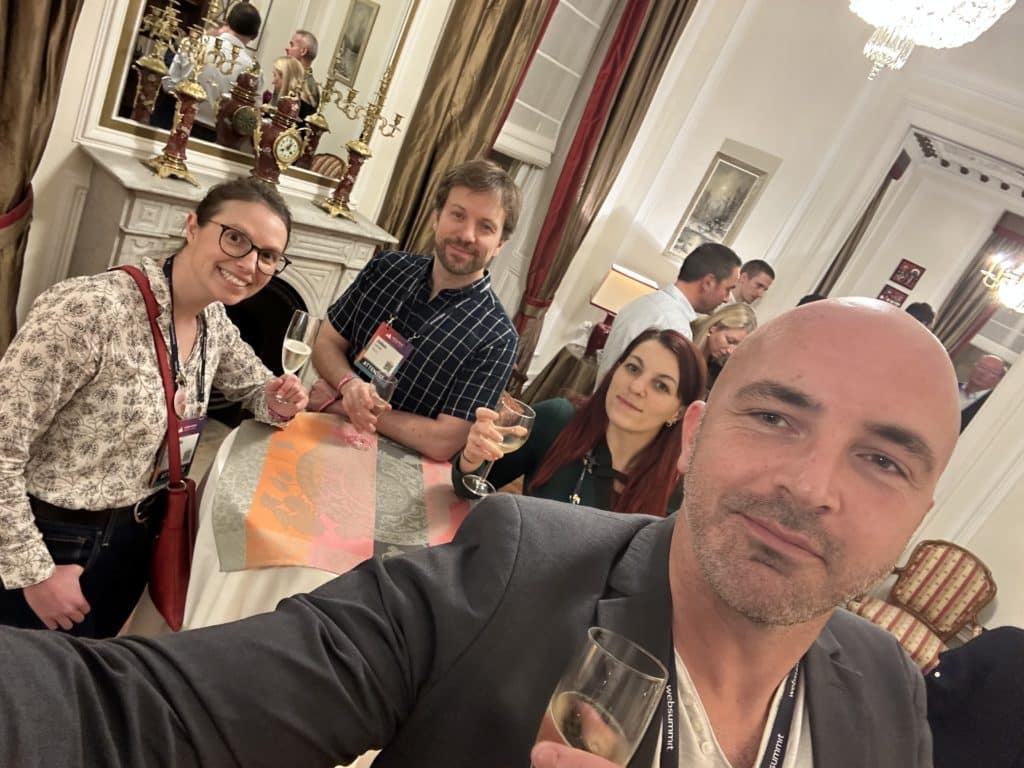
Our web team set off on another adventure to a new Websummit! Here are all our discoveries.
Some figures
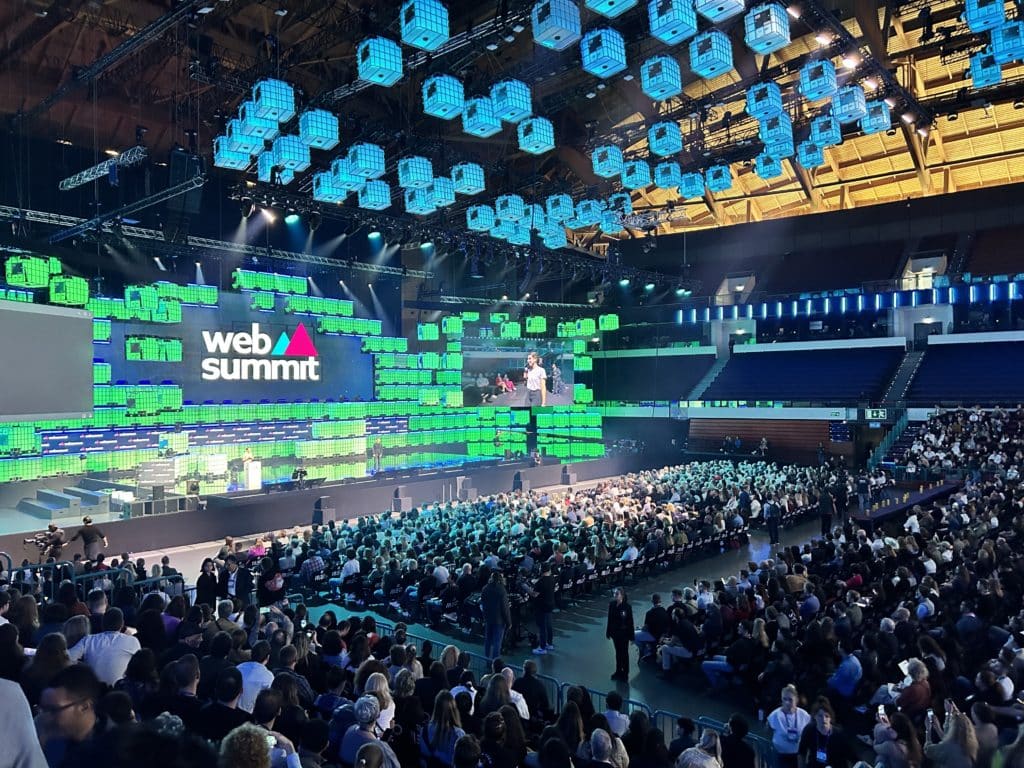
- 70,236 participants
- 183 countries
- 43% of participants are women
- 38% of speakers are women
- 2,608 exhibiting startups (a record)
- 906 investors
- 321 partners
- And more than 2,100 media outlets
All on a site of around 215,000 square meters, the equivalent of 1,099 tennis courts.
As you can see, it really is the great gathering of tech in Europe.
The topics covered
Last year the main theme was the Metaverse, and a few days after our return ChatGPT came out, an unprecedented upheaval, since an AI was finally accessible to the general public.
This year, unsurprisingly, AI was at the heart of the event.
AI is not our enemy
This was a message shared by several speakers: there is no uprising of the machines on the horizon, and AI is not our enemy. On the contrary, it will improve us and help us with our daily tasks.
In the future, we will become “super-humans” ready to accomplish more in our lives.
Education
This will be reflected in several fields, including education.
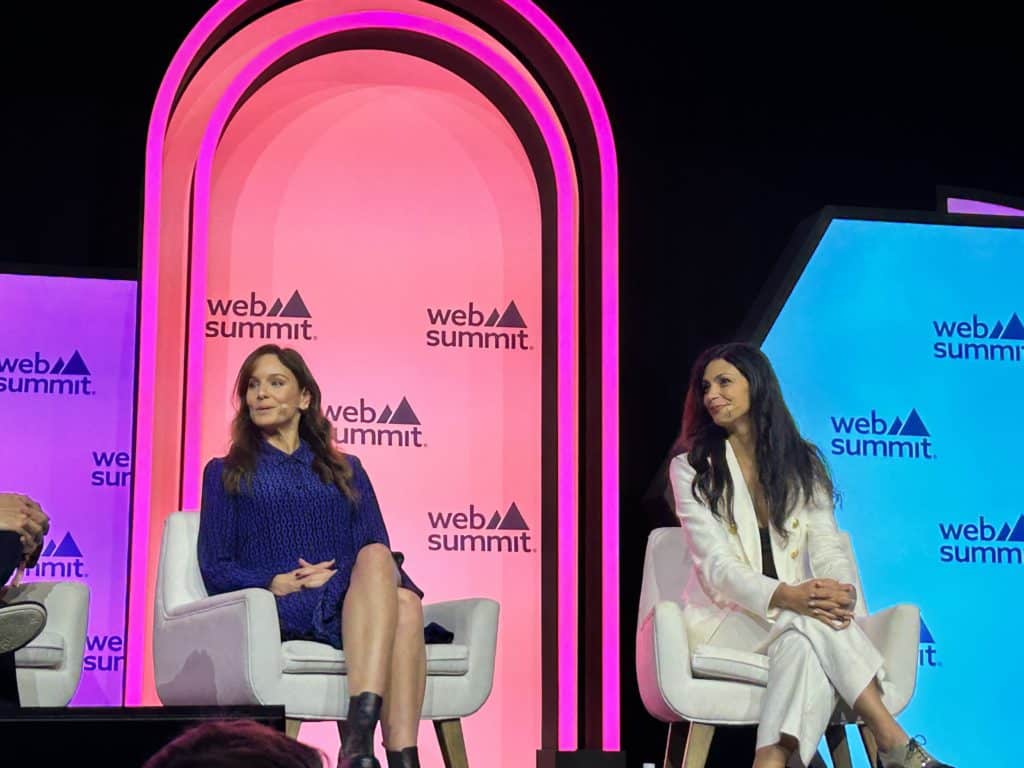
To discuss this topic, VIP speakers were present: Morena Baccarin and Sarah Wayne Callies. Both are ambassadors of the International Rescue Committee.
During this session, they presented how AI and new technologies are currently being used in several crisis-hit countries that lack teachers, resources or even reception facilities, and can be rolled out quickly through tools such as WhatsApp or on mobile devices.
The advantage of such tools is that they can be easily activated in all languages and at all levels of education.
To go further on this subject, discover Apprendia
Medicine
AI will help improve life expectancy by going further in diagnosis and disease detection.
A patient’s complete analysis data can be compiled to achieve more precise detection of possible problems.
Today, doctors process a few data points on one specific pathology; AI could analyze a larger volume of data as a whole and link the results to highlight several pathologies.
Analyzing data
In general, AI will be able to process larger volumes of data, whatever the field of application, and will therefore give us more time to focus on the results obtained.
The time saved will allow us to focus on the decisions to be made.
For example, in the case of a marketing strategy, we will be able to concentrate more on the brand and define the strategy as a whole.
How to regulate AI
This is the big question, and it will become more and more pressing.
During his talk, Andrew McAfee, a researcher at MIT, presented two possible options for the future:
- Either regulate new advances right now, at the risk of hampering some progress.
- Or regulate new technologies after the fact, as needed, at the risk of having left too many doors open at the start.
Andrew McAfee cited the example of Duolingo (language learning app), which uses user data without necessarily obtaining explicit consent, notably when taking its English test, whose results can be sent to universities.
This test has given students from more than 200 countries access to over 4,500 universities around the world that accept it, and it also allows refugee populations to access universities, all for free. Had regulations been introduced, there is no doubt this test would still not be accessible today.
While some countries advocate governance upstream of any technical advance in AI, others see governance as a brake on innovation.
The challenge in the coming months will be to strike the right balance between these two trends.
Bold predictions
We attended a talk by Alex Kantrowitz, CEO of Big Technology, who took on the exercise of making predictions.
The main predictions he made are as follows:
OpenAI loses the “throne”
Moreover, we can already see many twists and turns in the news for OpenAI. The main questions will concern the rights granted over the content used to train ChatGPT (we know, for instance, that the New York Times does not agree with the use of its articles).
Amazon will lead the way
Thanks to its many servers and its Alexa assistants deployed in many households.
The biggest global battle over copyright is looming on the horizon
Namely, who owns the artworks created by generative AI? Which content can be used to train AI?
This was also a topic addressed by Cassie Kozyrkov in a talk. Is the person behind the image the author? The AI? The creator of the AI?
She also drew a parallel with Marcel Duchamp’s work “Fountain”, pointing out that he himself was not the creator of the urinal, but only of the concept of the work “Fountain”.
Upheavals to come
One thing is certain: many upheavals will take place over the next 10 years, not only in our work but in our everyday lives more broadly.
It is up to us to know how to approach this and how to make the best use of these new tools.
This was one of the topics of a session on design: let us not forget that the human eye, and above all our experience, must always take precedence in certain fields, design in particular. We must always be the guardians of creation.
Bonus
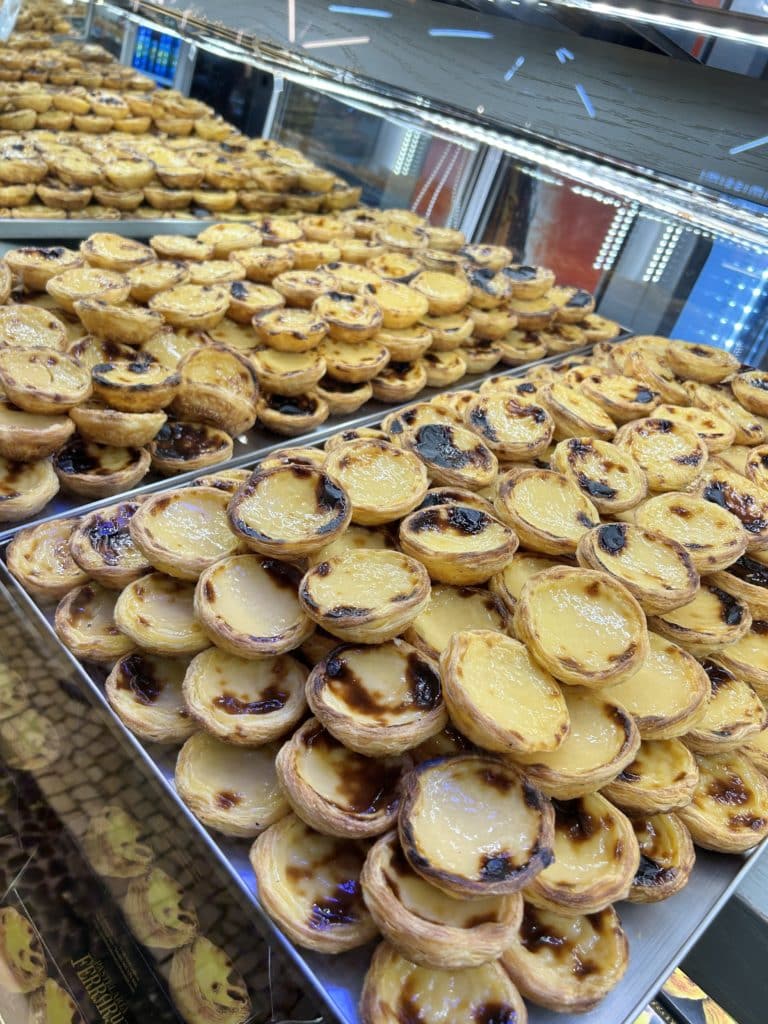
After all these very complex questions, we needed something to relax, so we decided to run our own tests: which is the best Pastéis de Nata in Lisbon?
Here is our top 3!
- Manteigaria
- Fabrica da Nata
- Pastelaria Ferrary



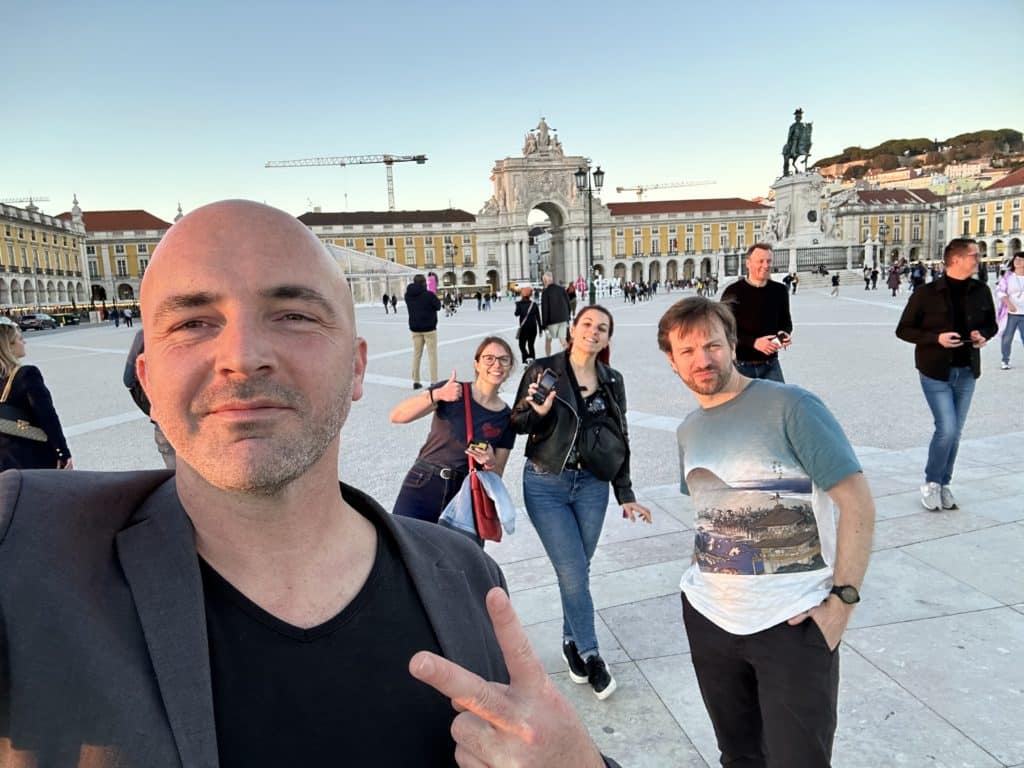
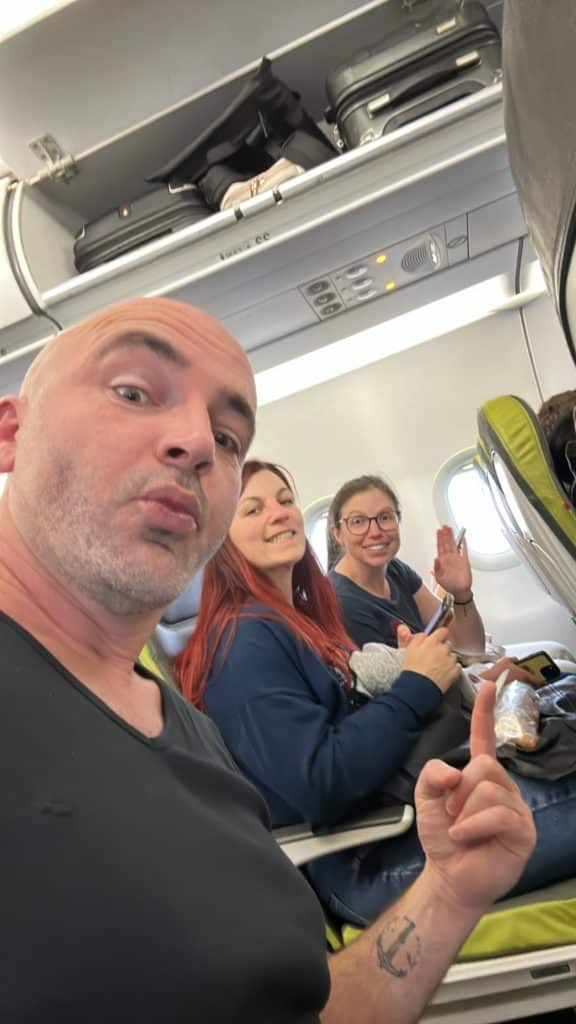
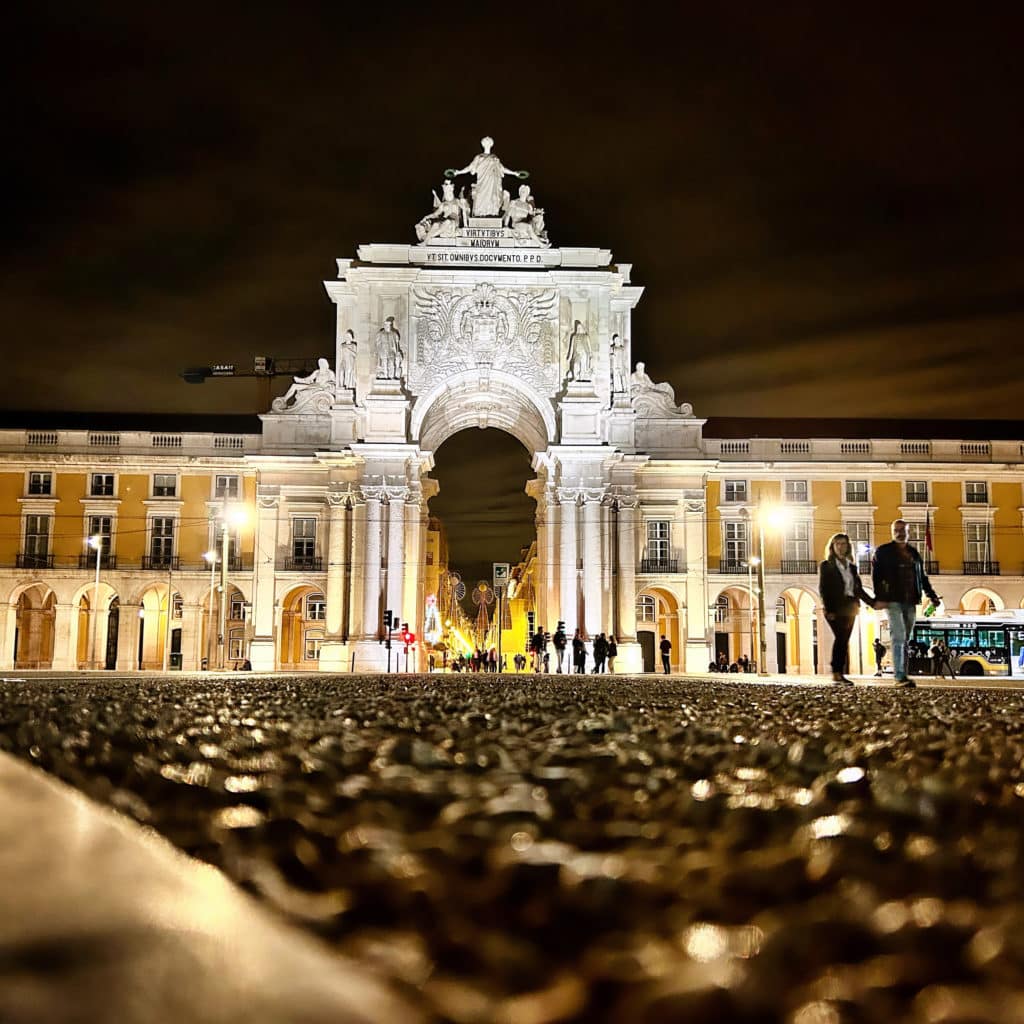
Making of Websummit 2023



Also see: