Having introduced Facebook and Instagram, it is now time to get to know this social network, born at the same time as Instagram but surprisingly less well known: Pinterest.
You probably know Pinterest, or at least have heard of it, if only from one of your Google Images searches that led you to Pinterest when you clicked on the image you wanted.
Pinterest’s designers describe it as:
A place of inspiration for all your projects, full of ideas personally chosen by other internet users like you.
Pinterest is a mix of social network and search engine. Still little used by companies in their current strategies, it nevertheless holds genuine business opportunities. Although it is still young (founded in 2010) compared with the giants Facebook and LinkedIn, it nonetheless brings together 454 million users around the world.
How does it work?
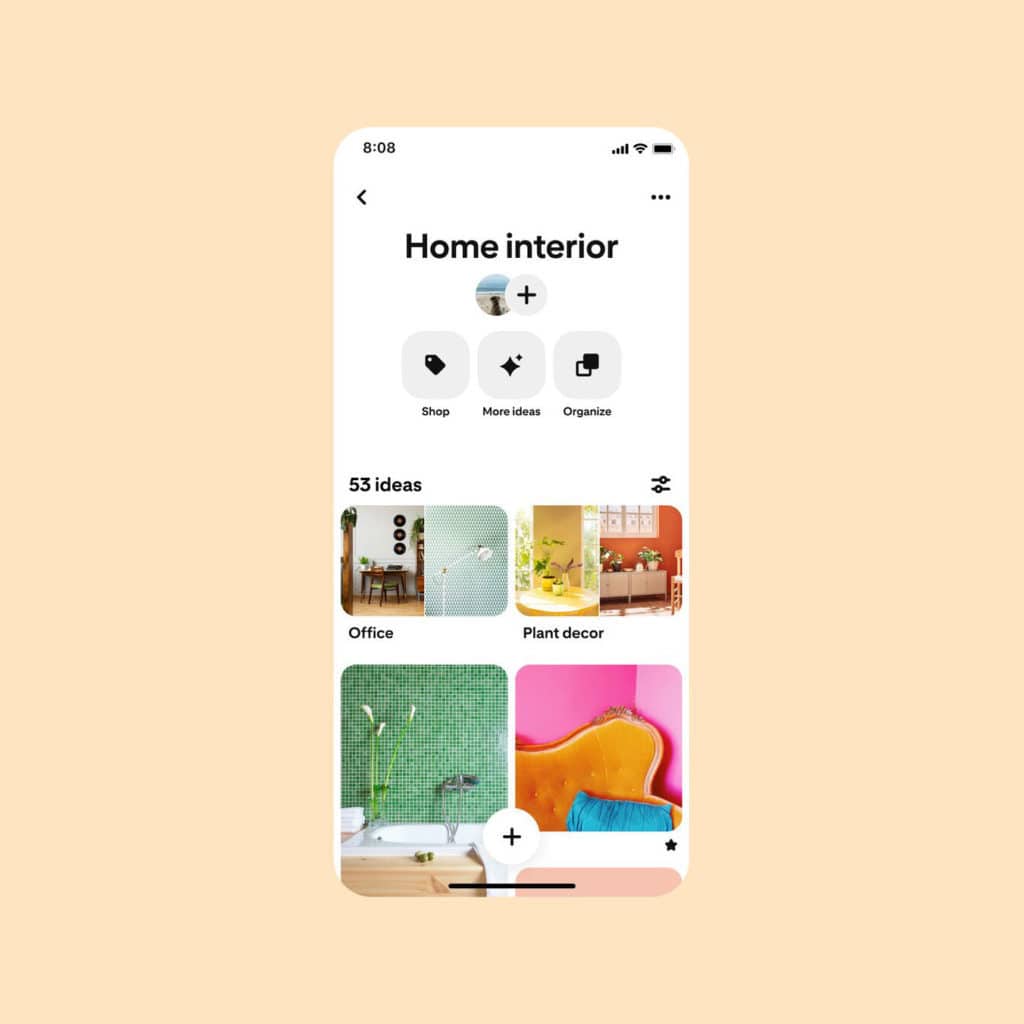
In practice, Pinterest is used to pin things that interest users. Users create boards on which they pin all kinds of things that interest them, grouped by theme.
“To pin” and “Interest” = Pinterest
What is interesting for the user (and therefore for companies) is that when they click on an image they like, it takes them directly to the page of the website the image comes from.
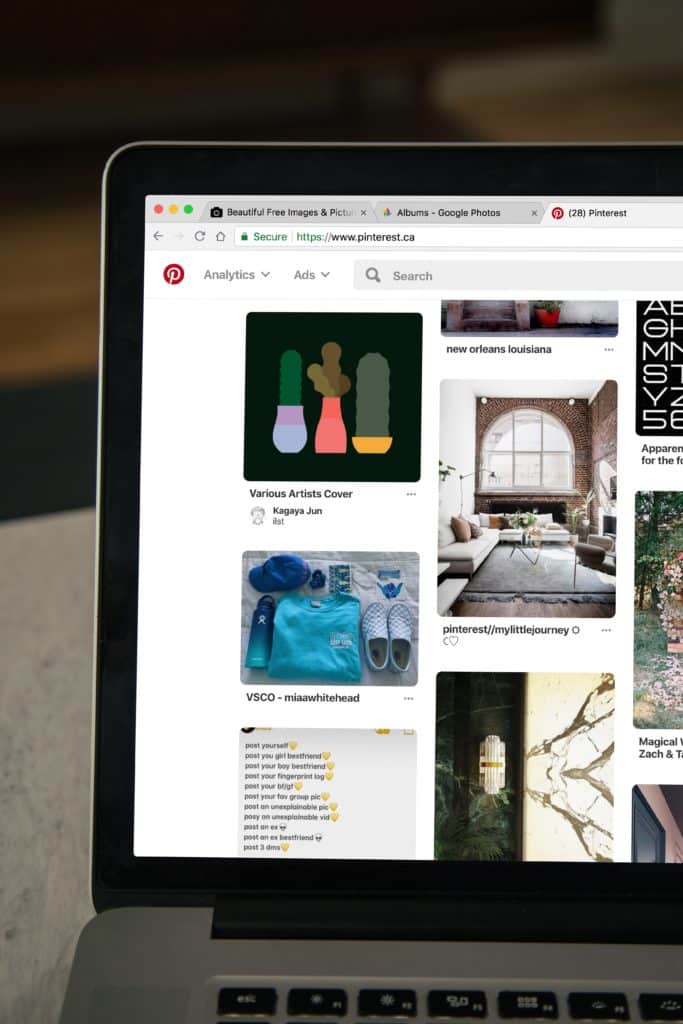
Who uses Pinterest?
Users can be grouped into three different categories:
- the “browsers”:
the majority of users use Pinterest to find inspiration for their interior decoration, a next DIY project with their children, a new recipe to try for Sunday lunch with the in-laws, a new look… - the “squirrels”:
these users use the pin system the way one uses the “favourites” or “bookmarks” feature in a browser. They pin things that interest them so that they can consult them later, after making sure the hyperlink attached to the pin is relevant, so that the picture of a dish, for example, leads them to the recipe for that dish and not to the blog of someone who says they love it. - the “inspectors”:
in this category we find users who use Pinterest as a tool for their professional activity. They mainly use the search bar to find pins related to a specific subject that will help them in their work.
And you? Which category do you fall into?
A network for what type of content?
Just as there are different types of users, we can find different types of content on Pinterest.
“Re-pinned” content
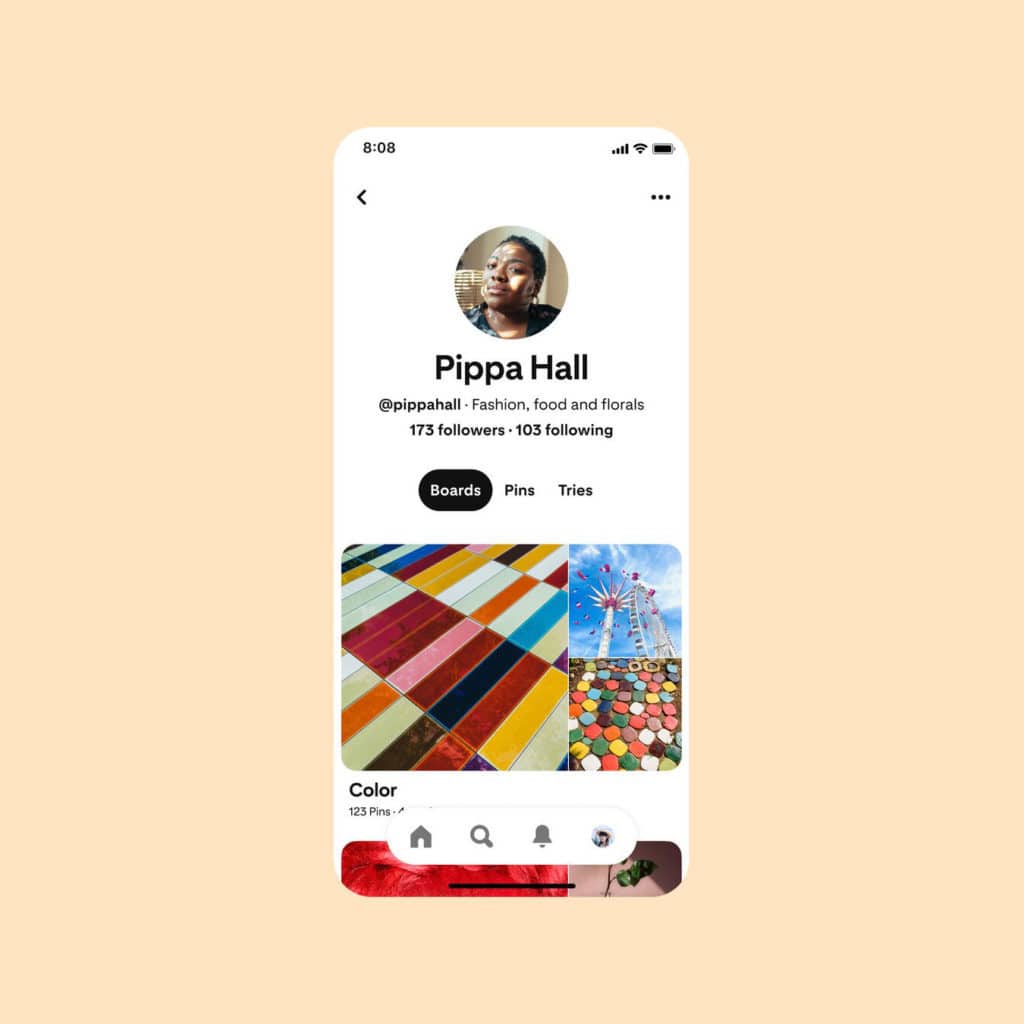
Users create their boards with pins that already exist on other users’ boards.
Content added from another website
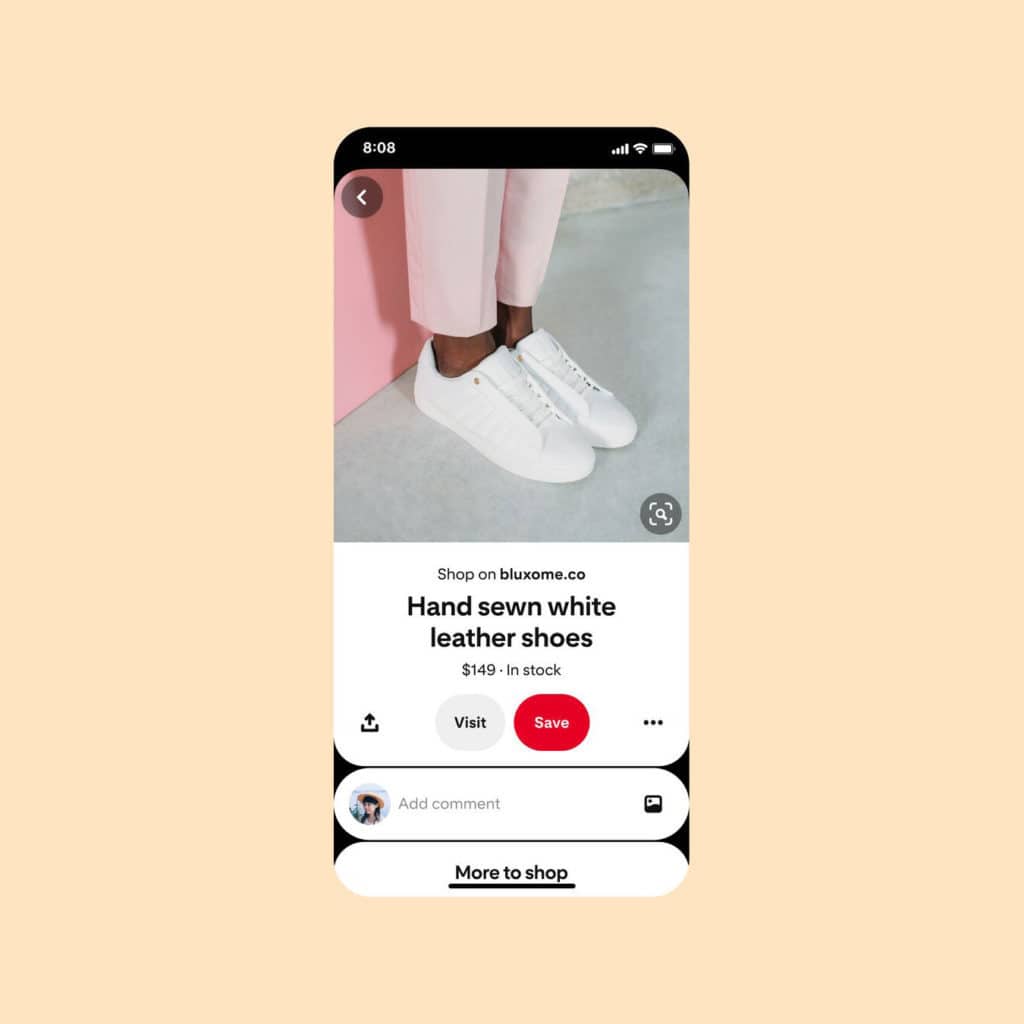
A user browsing websites or blogs on subjects that interest them can, if the “Pin it” button is available on the site visited, pin directly to one of their Pinterest boards, which captures their attention and lets them find all their web discoveries in one place.
Content uploaded directly from the computer
Most users fall into the first two types of content. As a company, however, you will turn more towards this third form, because your goal is for ordinary users to share your content to make you known.
What advantages can a company gain from Pinterest?
Posts on social networks are quickly swamped by the flow of new information.
Whereas the lifespan of a tweet is a few minutes and that of a Facebook post is a few days at most, a pin on Pinterest can last for several months.
This is due to the very way this network works: when a user likes a pin, they tend to visit your board to explore the rest of your pins, and are tempted to share not only the first pin they saw but also others from your board that caught their attention.
Moreover, as soon as a pin is re-pinned by a user onto their own board, it appears as new in search results or in the pins Pinterest suggests to users according to their interests, and therefore reaches more users and reminds those who have already noticed you.
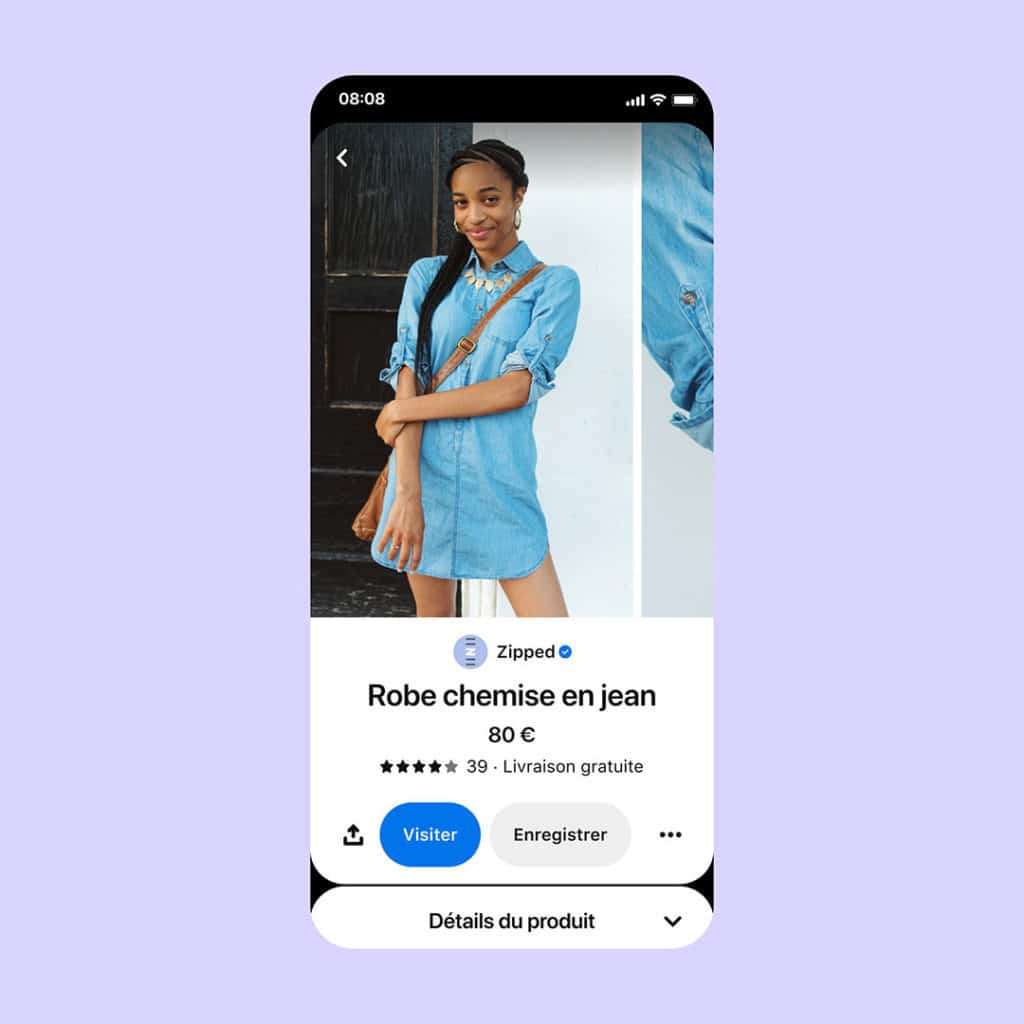
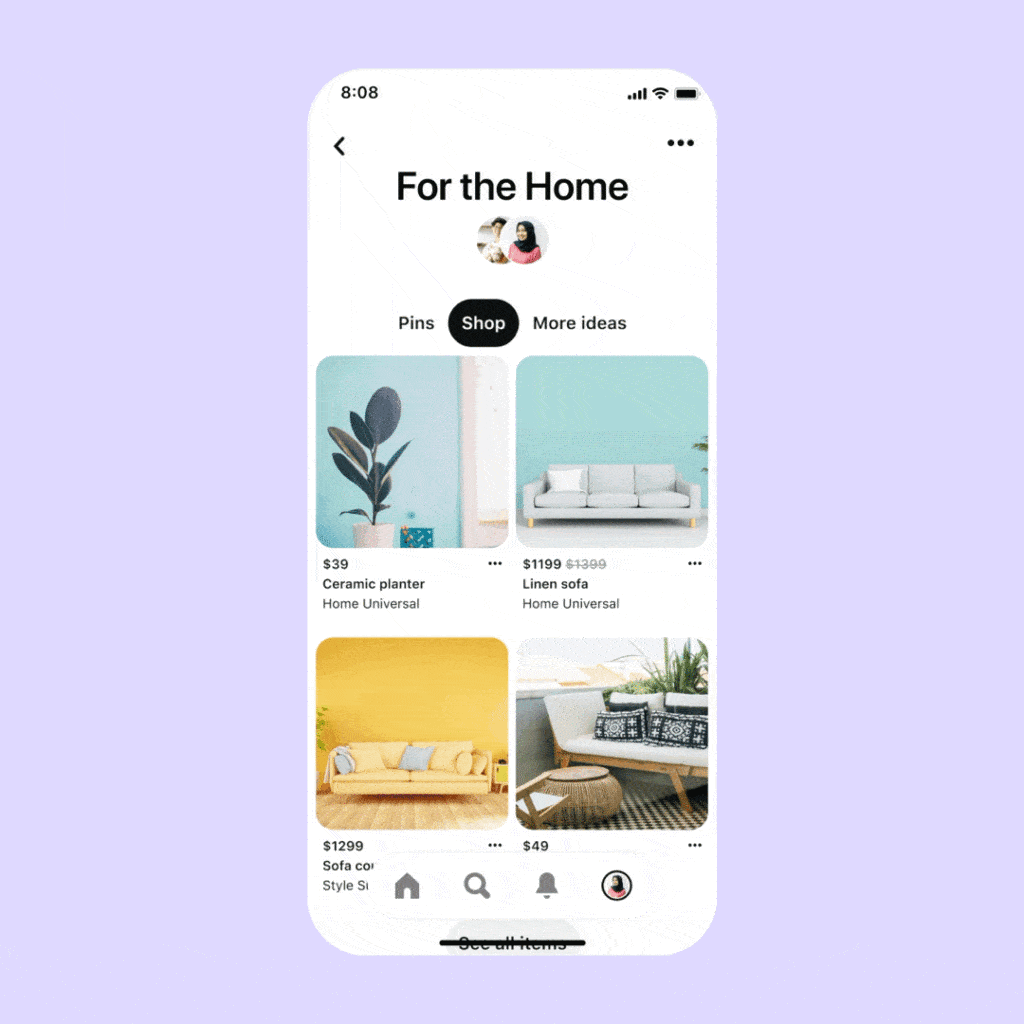
Strategically, it is therefore worth investing in eye-catching visuals (photographs, logo, design…), which will also serve Instagram in any case.
Since images are the foundation of Pinterest, it is an excellent medium for showcasing your products.
Unlike Facebook, which is more general, Pinterest is more centred on users’ interests and passions. When your target is well defined and well known, it becomes easier to draw them to your pins and therefore to your website and products.