Letterpress is an ancestral printing technique, dating back in fact to the origins of printing. It is back in fashion today, notably because it embodies all the values of this trade. Claire Dewasmes, partner and director of the h2a agency, tells us more about this process, which restores to craftsmanship all its value.
Letterpress is a technique that is enjoying renewed interest.
Could you explain what it involves?
It is a process developed by Gutenberg, considered the inventor of printing. At the time, it consisted of printing compositions by applying pressure to the paper with inked movable type. Originally, these elements were made of lead and the process was manual. Today, technology has evolved: the process has been mechanized and polymer plates are now used. But the result remains the same: a unique raised print, which offers a particular feel and a particular degree of refinement. The slight imperfections resulting from the use of letterpress also add a touch of soul to the work, which modern machines are incapable of producing.
Are there any technical constraints for using this process?
First of all, letterpress can only be used on paper containing cotton fibres and with a minimum weight of 300 to 400 grams per square metre, for the result to be perceptible. The combination of the suppleness and thickness of this paper accentuates the raised effect and lends nobility to the printed object through this technique.
What type of product can be made using this process?
For a long time, this technique was mainly reduced to the production of business cards. But with the right partner, it is also possible to produce brochure covers, notepads and so on. There is, however, a format constraint imposed by the machine used for letterpress: the maximum size that can be handled is below A4. As for colours, Pantone swatches are used rather than four-colour process. These various constraints must be taken into account in order to deliver beautiful, personalized finishes.
Do you carry out letterpress in-house or do you use external partners?
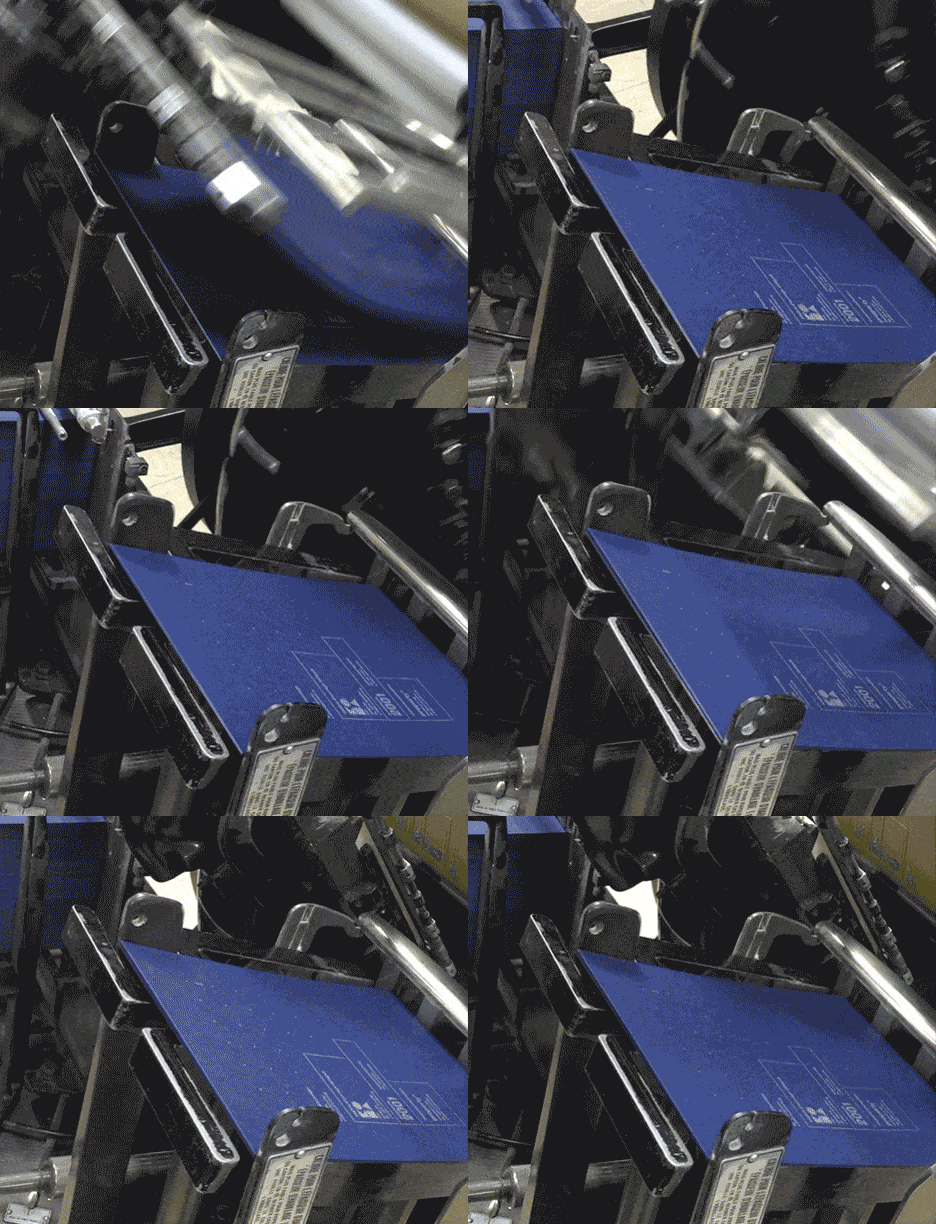
We are not printers! At h2a, we began offering this process to our clients in 2014. At that time, no agency offered this type of printing in Luxembourg, and no company in the country was able to produce it. We therefore called on a company in the south of France. However, since the end of last year, we have found a new partner in Luxembourg, Girls on Press, which allows us to follow each project more closely.
In the all-digital age, do print and techniques such as letterpress still have their place?
More than ever! Digital takes up more and more space, but paper has never been so alive. We work, moreover, in collaboration with our local partner, l’Imprimerie Centrale in Luxembourg. Recently, during a visit to their workshops, we were able to witness the meticulous orchestration of their printing lines and the unique character they manage to give to letterpress, in addition to offset and digital. This wealth of textures and special finishes reminds us that, even in the face of the rise of AI, paper remains an exceptional playground. Relying on a Luxembourgish partner of this quality allows us to propose ever bolder ideas to our clients and to ensure impeccable follow-up of our projects.
The technique, the choice of paper, the time devoted to it… All of this must mean a higher cost, surely?
It is clearly a more expensive, high-end technique. As we always take the client’s budget into account, we offer this service only to companies that are sensitive to this kind of design and convinced that letterpress is a real added value for their image. The warmth and sensory effect of a business card produced with this technique, for example, has nothing in common with a standard product. When clients are shown the benefits of the technique, they do not hesitate: they prefer to produce fewer business cards or brochures, but of finer quality.
When you talk to people about it, do they know letterpress?
No, it is still a discovery for clients. But I believe it is part of the role of an agency like ours to educate people about this technique, which is, ultimately, a shared cultural heritage. This “return to craftsmanship”, to noble materials, to the non-disposable, also fits with a general evolution in society. For us, who consider ourselves craftspeople, promoting this aspect of our work is self-evident.
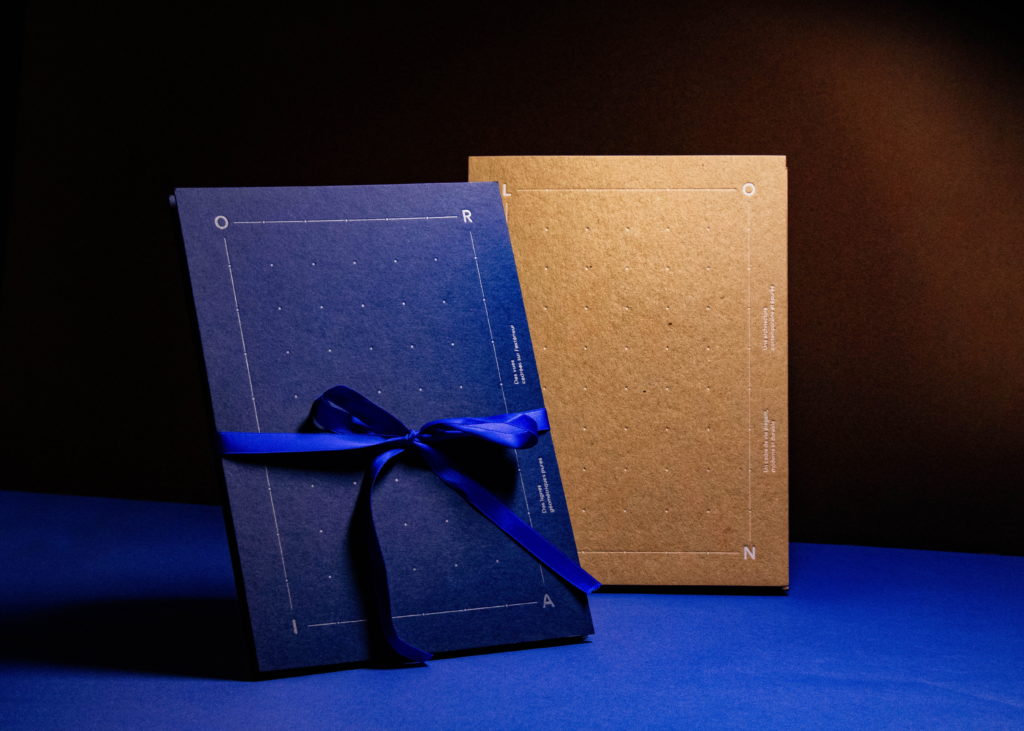
Discover our real estate brochures produced for Koba.
Want to make a lasting impression with exceptional materials?
Forget conventional printing and opt for the added soul of craftsmanship. We design your communication materials in letterpress in Luxembourg. Tell us about your project.