
Article updated in July 2026
Have you ever spent time writing a relevant article for your blog, only for it to be read by three of your colleagues and a few friends out of kindness?
The title of your article is probably not effective enough to hold attention. Fortunately, we share our tips for finding a catchy title.
Let’s go!
What is a catchy title?
A title that must inform
The primary role of a catchy title is of course to summarize the information in the content and answer the key questions your readers have: who, what, where, when, why, how. They must be able to get an idea of your article’s content just by reading the title.
Attracting attention and sparking interest
In addition to informing the reader, a catchy title, as its name suggests, must above all spark interest. To optimize your chances of being read (because your articles deserve it, we have no doubt!), a catchy title is essential! The title is one of the most important parts of writing your content. It is the first thing the reader sees, and it determines whether they feel like clicking or not. This is the primary role of your title: to encourage the reader to go on.

Optimizing your SEO
Finally, the last role of a catchy title is to optimize the natural search ranking of your site! To be visible to internet users, you need to be visible on search engines.
Thanks to a keyword strategy, the title is a genuine natural search tool.
To learn more about SEO, read our article on the basics of SEO.
How do you write a catchy title?
Keep your promise
First of all, to write a catchy title, it is essential not to exaggerate the content promised. It is crucial not to make false promises or misleading titles. A title must be appealing but honest. If your title is too sensational and promises unachievable things, you risk misleading your readers and betraying their trust. They must be able to get an idea of what they will find in your article. It is important not to frustrate them by failing to deliver the information they are looking for. Rather, show them that you stand out from the crowd, that you are not false advertising, and that you deserve their attention.
For example:

“8 tips to help you create an infographic“

“Create an infographic in just one click“
Favour a short title
For readers
The length of your title is also a factor that makes internet users want to click or not. When writing it, keep in mind that your readers are in a hurry: they only have a few seconds to give your title. It must therefore grab their attention immediately and have impact.
Avoid titles that are too long. They should not run to more than one line, at the risk of losing or discouraging potential readers. A title that is too long can cloud the reader’s understanding of what they are about to read.
Warning
Beware of a title that is too short! Your title must still provide enough information to your target about the content of your article. We recommend using simple, short words and avoiding overly technical vocabulary or wordplay. These can cloud the reader’s understanding, when they need to grasp the terms used quickly.
For SEO
As you will have understood, your title must be worked on with SEO in mind so that your content is visible to search engines.
Otherwise, your article will be poorly ranked in your target’s search results. They will not even have the chance to find it appealing, because they are unlikely to come across it! Such an approach would then bring you no benefit.
The length to aim for in your title will depend on the goals you are pursuing for your content.
For example:
- You want your article to appear on the first page of search results.
- You would rather your article went viral on social media.
According to an analysis by HubSpot of content sharing, titles of 8 to 12 words generate the most shares on X (formerly Twitter), while Facebook favours titles of 12 to 14 words.
A caveat, however: other analyses, such as Backlinko’s study of more than 900 million articles, reach the opposite conclusion, with longer titles (14 to 17 words) generating more social shares. In practice, there is no universal “magic” length: the right reflex is still to test what works for your specific audience.
Making sure the title contains the main keyword of our article
When drafting your title, it is necessary to include relevant keywords, positioning yourself on a query so that your article can succeed.
Without a keyword in your title, you will not get the traffic or the other benefits your content can bring.
How do you use keywords?
- Check the search volume of the targeted keyword to ensure its relevance and its potential effectiveness for your target audience.
- If possible, place it at the start of your title to maximise its effectiveness.
Warning
It is important not to overuse keywords. Search engines do not favour titles stuffed with keywords. This could not only harm your ranking but also make your title look like spam and create confusion.
Aiming for the right emotion
Once the reader has grasped the keywords of the subject that interests them, they generally want to solve the problem they are facing. A list of articles will be offered to them, but what will make the difference? The emotions they arouse!
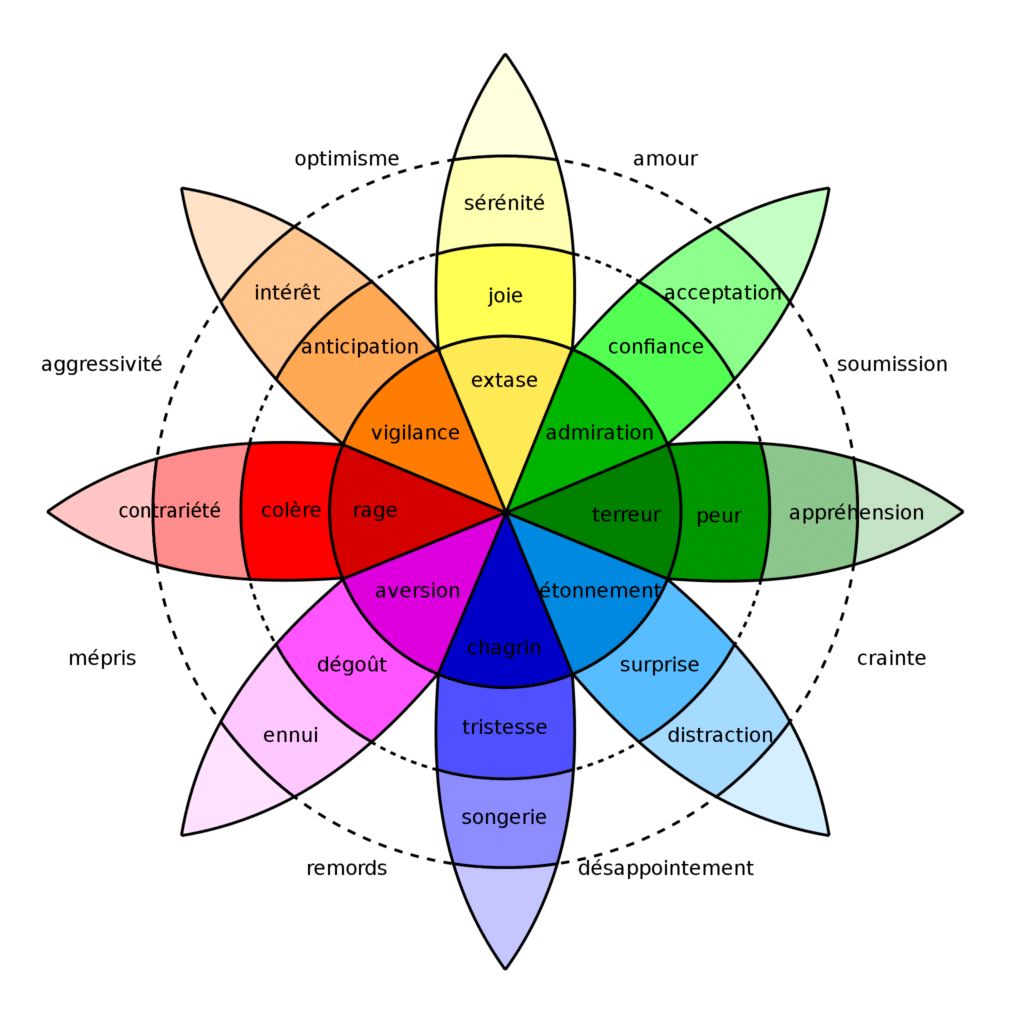
Among them, the most effective are the following:
- Curiosity: it plays a fundamental role in education. Many readers are self-taught and rely on your editorial content to learn more, so playing on curiosity is a good way to attract them. This emotion brings excellent results in marketing!
- The expected gain: giving internet users an idea of what they could gain by reading your article is a good way to encourage them to read it. For example: “How to write articles that will increase your click-through rate by 20%?” The gain expressed: a 20% increase in click-through rate.
- Identification: your prospects would like to be like the best experts in their field and, to achieve this, they want to know and imitate their little secrets. For example: “5 tips for writing an article inspired by the best…”
5 examples of catchy titles
The title with numbers
List-style content is generally much appreciated. Announcing the number of points covered right in the title is a good way to spark readers’ interest. Numbers bring concreteness and additional information. Moreover, internet users, who are often in a hurry, are reassured when they see a number: it lets them think it will be quick (5 or 10 points to go through).
A few examples:
- “10 good reasons to launch Google Ads campaigns”
- “Improve your SEO in 5 steps”
- “Top 10 best practices for your LinkedIn campaigns”
The question-form title

Opting for a question-form title is a good way to show internet users, through a problem, that your article will answer it. It is an effective way of showing that you understand them and have experience.
In terms of natural search ranking, it is also a winning technique. Internet users increasingly type their questions as they are into search engines. Opting for a question-form title is therefore a good way to rank well!
This is why h2a often uses this technique.
A few examples of our question-form titles:
The testimonial-form title

The title must be seen as an argument to persuade your prospects to click. Here, it is the argument of authority that comes into play.
Using the testimony of someone who holds real authority in the field you are addressing is a good way to lend credibility to your content. A prospect is likely to be convinced by the testimony of an expert in their sector, and therefore to click.
Experience feedback is the most effective type of testimony: it adds real value to your content, especially if it comes from someone credible in your prospects’ eyes.
Don’t hesitate to include some in your titles.
For example:
“The 5 entrepreneurial lessons of Mark Zuckerberg”
The title that speaks directly to the reader
Readers who feel targeted and involved are the most likely to click on the article. When you write a title, it is essential to put yourself in the shoes of those you are trying to reach.
A few examples:
- “Marketers, prepare your next strategy!”
- “Sales staff: 12 tips for succeeding in selling”
- “SME managers: how can you best support your sales staff?”
The title containing a strong word
Still with the aim of arousing emotion in the reader, certain words with more weight than others are very useful in titles to convey urgency, desire or trust, for example. They turn a dull title into a hook for your target.
A few examples:
- ChatGPT, the artificial intelligence that fascinates and worries? We tested it!
- Metaverse, a new world opens up to us
- This key moment that can change everything
The various techniques we have presented are all the more interesting and effective when combined with one another.
However, to generate traffic to your blog or website, there are many other key elements to consider.
Want to put these levers at the service of your communication? h2a, communication agency in Luxembourg, supports you from strategy to creation.